


New Delhi, 2026
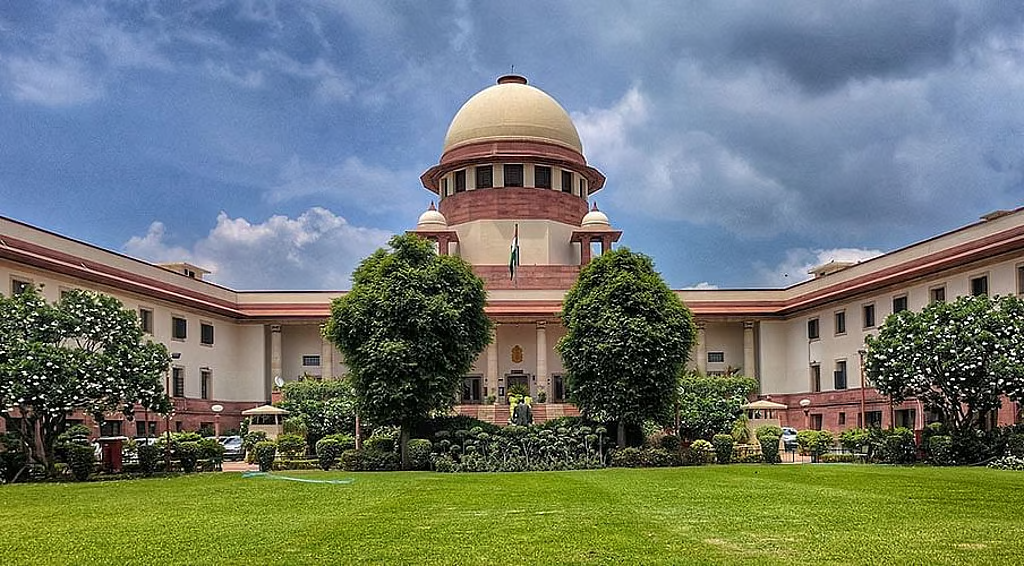
In a significant development with far-reaching implications for India’s higher education system, the Supreme Court of India on Thursday stayed the implementation of the University Grants Commission (Promotion of Equity in Higher Education Institutions) Regulations, 2026, responding to widespread protests, legal challenges, and allegations that the new framework violates constitutional principles.
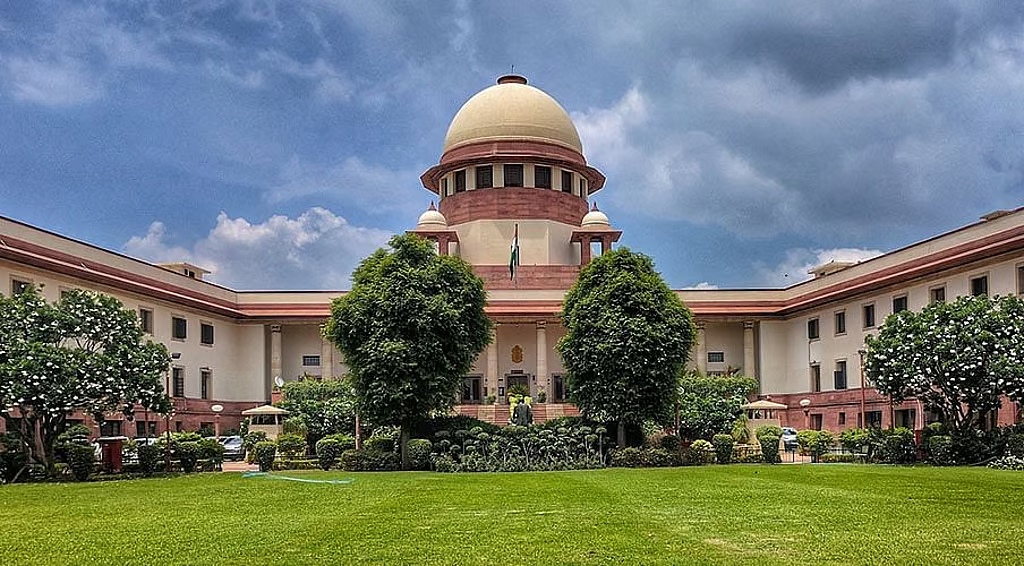
A Bench headed by Chief Justice of India Surya Kant, along with Justice Joymalya Bagchi, issued notice to the Union Ministry of Education and the University Grants Commission (UGC), directing that the newly notified 2026 regulations shall remain in abeyance until further orders. The Court further clarified that the UGC Regulations of 2012 will continue to govern equity and inclusion policies in higher education institutions across the country for the time being.



Invoking its extraordinary powers under Article 142 of the Constitution, which enables the apex court to pass any order necessary to ensure “complete justice,” the Bench underscored the seriousness of the issues raised by the petitioners and the urgent need to prevent irreversible consequences while the matter remains under judicial scrutiny.
Background: What Are the UGC Equity Regulations, 2026?
The UGC (Promotion of Equity in Higher Education Institutions) Regulations, 2026, were officially notified on January 23, 2026, with the stated objective of updating and modernising India’s framework for ensuring equity, inclusion, and non-discrimination in universities and colleges.
According to the UGC, the regulations were designed to:
- Streamline institutional mechanisms for addressing discrimination
- Promote inclusivity across campuses
- Replace older regulatory frameworks deemed outdated
- Align equity norms with contemporary governance practices
The regulations sought to supersede the UGC Regulations of 2012, which had mandated the creation of Equal Opportunity Cells in universities to address grievances related to caste, gender, disability, and other forms of discrimination.
However, almost immediately after their notification, the 2026 regulations became the subject of intense criticism from students’ organisations, faculty bodies, civil society groups, and constitutional experts.
Legal Challenge: Allegations of Arbitrariness and Discrimination
Multiple petitions were filed before the Supreme Court challenging the validity of the 2026 regulations. The petitioners alleged that the new framework is:
- Arbitrary in nature
- Exclusionary and discriminatory
- Violative of fundamental rights guaranteed under the Constitution
- Ultra vires the UGC Act, 1956
One of the central arguments advanced by the petitioners is that the regulations dilute existing safeguards for marginalised communities, including Scheduled Castes (SC), Scheduled Tribes (ST), Other Backward Classes (OBC), minorities, persons with disabilities, and women.
Petitioners contended that the 2026 regulations:
- Reduce institutional accountability
- Weaken grievance redressal mechanisms
- Replace statutory protections with discretionary administrative processes
- Fail to recognise caste-based and structural discrimination explicitly
They further argued that by repealing the 2012 framework without adequate consultation, the UGC had undermined decades of jurisprudence and policy aimed at ensuring substantive equality in education.
Supreme Court’s Interim Order: Status Quo Restored
After hearing preliminary submissions, the Supreme Court decided to intervene at an early stage, citing the potential for widespread and irreversible impact on students and academic institutions.
The Bench ordered:
- A stay on the implementation of the UGC Equity Regulations, 2026
- Continuation of the UGC Regulations, 2012 until the matter is finally adjudicated
- Issuance of notice to the Centre and the UGC, seeking their detailed response
The Court noted that the challenge raised serious constitutional questions, including issues related to:
- Equality before law (Article 14)
- Prohibition of discrimination (Article 15)
- Right to education and dignity
- Statutory limits of regulatory authority under the UGC Act
By invoking Article 142, the apex court made it clear that the interim relief was necessary to preserve justice and prevent harm to vulnerable sections of society while the legality of the regulations is examined in detail.
Why Article 142 Matters in This Case
Article 142 of the Constitution grants the Supreme Court wide discretionary powers to pass orders necessary for doing “complete justice” in any matter before it.
Legal experts note that the Court’s decision to invoke Article 142 reflects:
- The extraordinary nature of the concerns raised
- The possibility that implementation of the regulations could alter institutional structures irreversibly
- The need to protect constitutional values during the pendency of the case
The use of Article 142 has historically been reserved for cases involving:
- Fundamental rights
- Systemic injustice
- Institutional failures affecting large sections of society
In this context, the Court’s reliance on Article 142 highlights the national importance of equity policies in higher education.
Nationwide Protests and Academic Backlash
Even before the matter reached the Supreme Court, the 2026 regulations had triggered nationwide protests across university campuses.
Student and Faculty Opposition
Student unions, teachers’ associations, and academic collectives criticised the regulations for:
- Removing explicit references to caste-based discrimination
- Weakening independent grievance redressal bodies
- Concentrating powers in administrative authorities
- Undermining the autonomy of Equal Opportunity Cells
Protests were reported in:
- Central universities
- State universities
- IITs, IIMs, and other autonomous institutions
Faculty groups warned that the regulations could discourage marginalised students from reporting discrimination, thereby reversing years of progress in making campuses more inclusive.
Civil Society Concerns
Civil rights organisations described the regulations as a regressive step, arguing that equity cannot be achieved through vague administrative language that ignores structural inequalities.
Many critics pointed out that India’s higher education system continues to face:
- High dropout rates among marginalised students
- Under-representation in faculty positions
- Persistent social exclusion within campuses
Against this backdrop, any dilution of equity mechanisms was viewed as deeply problematic.
Centre and UGC Yet to Respond
With the Supreme Court issuing formal notice, the Union Government and the UGC are now required to submit their responses, justifying the rationale, legal basis, and constitutional validity of the 2026 regulations.
The Centre is expected to argue that:
- The regulations aim to modernise governance
- Institutions require flexibility rather than rigid frameworks
- Equity goals can be achieved through broader inclusion policies
However, legal observers note that the government will face close judicial scrutiny, particularly on:
- Whether the UGC exceeded its statutory mandate
- Whether stakeholder consultation was adequate
- Whether the regulations comply with constitutional principles of equality and social justice
2012 Regulations: What Remains in Force
With the Court restoring the UGC Regulations, 2012, universities and colleges must continue to operate under the older framework, which includes:
- Mandatory establishment of Equal Opportunity Cells
- Dedicated grievance redressal mechanisms
- Specific recognition of caste, gender, and disability-based discrimination
- Reporting and monitoring requirements
These regulations have formed the backbone of equity policies in higher education for over a decade and have been upheld and interpreted by courts in multiple cases.
Legal Experts Weigh In
Senior constitutional lawyers have described the Supreme Court’s order as a crucial intervention to protect institutional equity.
According to legal analysts:
- The stay prevents a “policy vacuum” that could harm students
- It reinforces the principle that social justice cannot be diluted through executive regulations
- It sends a strong message that regulatory bodies must operate within constitutional limits
Some experts also pointed out that the case could become a landmark ruling on the scope of regulatory power in higher education.
Implications for Higher Education Institutions
The Supreme Court’s decision has immediate and long-term consequences for universities and colleges:
Short-Term Impact
- Institutions must continue existing equity structures
- Ongoing administrative changes under the 2026 regulations are halted
- Universities avoid confusion and legal uncertainty
Long-Term Impact
- A final verdict could redefine how equity is regulated
- The Court may lay down binding guidelines for inclusion
- Future reforms will likely require deeper consultation and parliamentary oversight
What Lies Ahead
The matter is expected to return to the Supreme Court for detailed hearings, where the Bench will examine:
- The intent and drafting of the regulations
- Their compatibility with constitutional guarantees
- The balance between institutional autonomy and social justice
Until then, the status quo remains, offering temporary relief to protesting students and educators while placing the future of equity regulation firmly in the judiciary’s hands.
Conclusion: A Defining Moment for Equity in Indian Education
The Supreme Court’s stay on the UGC (Promotion of Equity in Higher Education Institutions) Regulations, 2026 marks a critical moment in India’s education policy journey. At a time when access, inclusion, and social justice remain central to national discourse, the Court’s intervention underscores that equity cannot be compromised in the name of reform.
As the legal battle unfolds, the outcome is likely to shape not only regulatory frameworks but also the broader philosophy governing higher education in India — determining how the country balances efficiency, autonomy, and its constitutional commitment to equality.